Types of Hair Clips for Styling: Snap, Alligator, Duckbill & Claw
Why Hair Clip Types Matter for Salons and Wholesale Buyers
For salon owners, professional stylists, and wholesale distributors, the humble hair clip is far more than a simple accessory—it is a precision tool that directly impacts workflow, client satisfaction, and repeat business. Selecting the right types of hair clips for styling can reduce service time by up to 30%, minimize client discomfort, and ensure consistent, professional results across every appointment.
How Clip Selection Impacts Styling Efficiency
Professional styling requires rapid sectioning, secure holding, and seamless transitions between techniques. The wrong clip can slip mid-cut, leave unsightly creases, or snag delicate strands, forcing stylists to redo work and extend appointment times. Conversely, a well-matched clip holds firmly without pulling, allows quick repositioning, and distributes tension evenly—enabling stylists to move through blow-dries, cuts, and updos with confidence and speed.
Key Factors for Bulk Purchasing Decisions
When sourcing hair clips for styling at scale, buyers must evaluate more than just aesthetics. Critical considerations include material durability (to withstand daily sanitization), spring tension consistency across units, finish quality that resists chipping, and ergonomic design that prevents hand fatigue during prolonged use. Additionally, understanding the functional differences between clip categories ensures that inventory aligns with the specific services your clients demand—from precision cutting to voluminous styling.
The Core Categories of Hair Clips for Styling
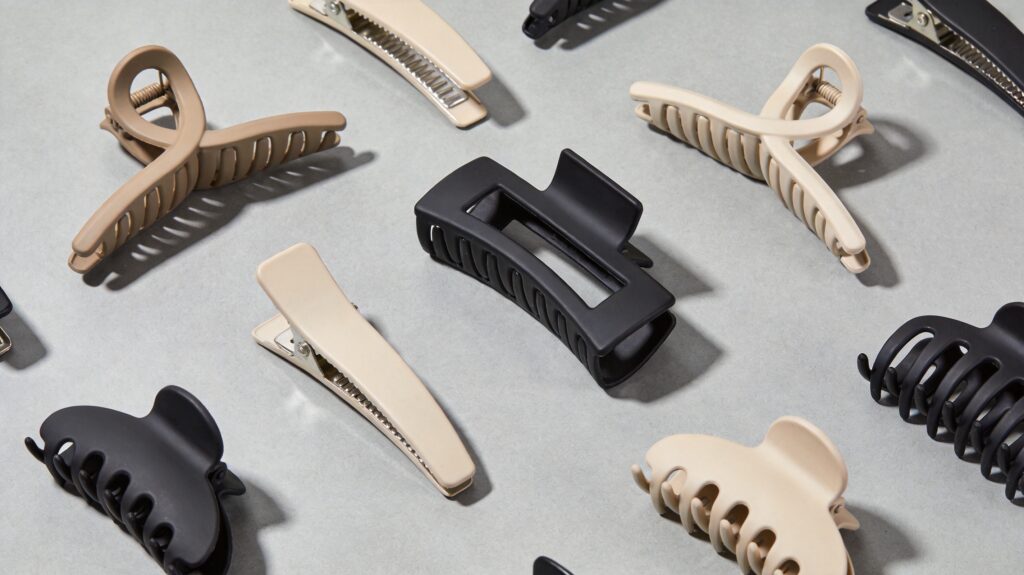
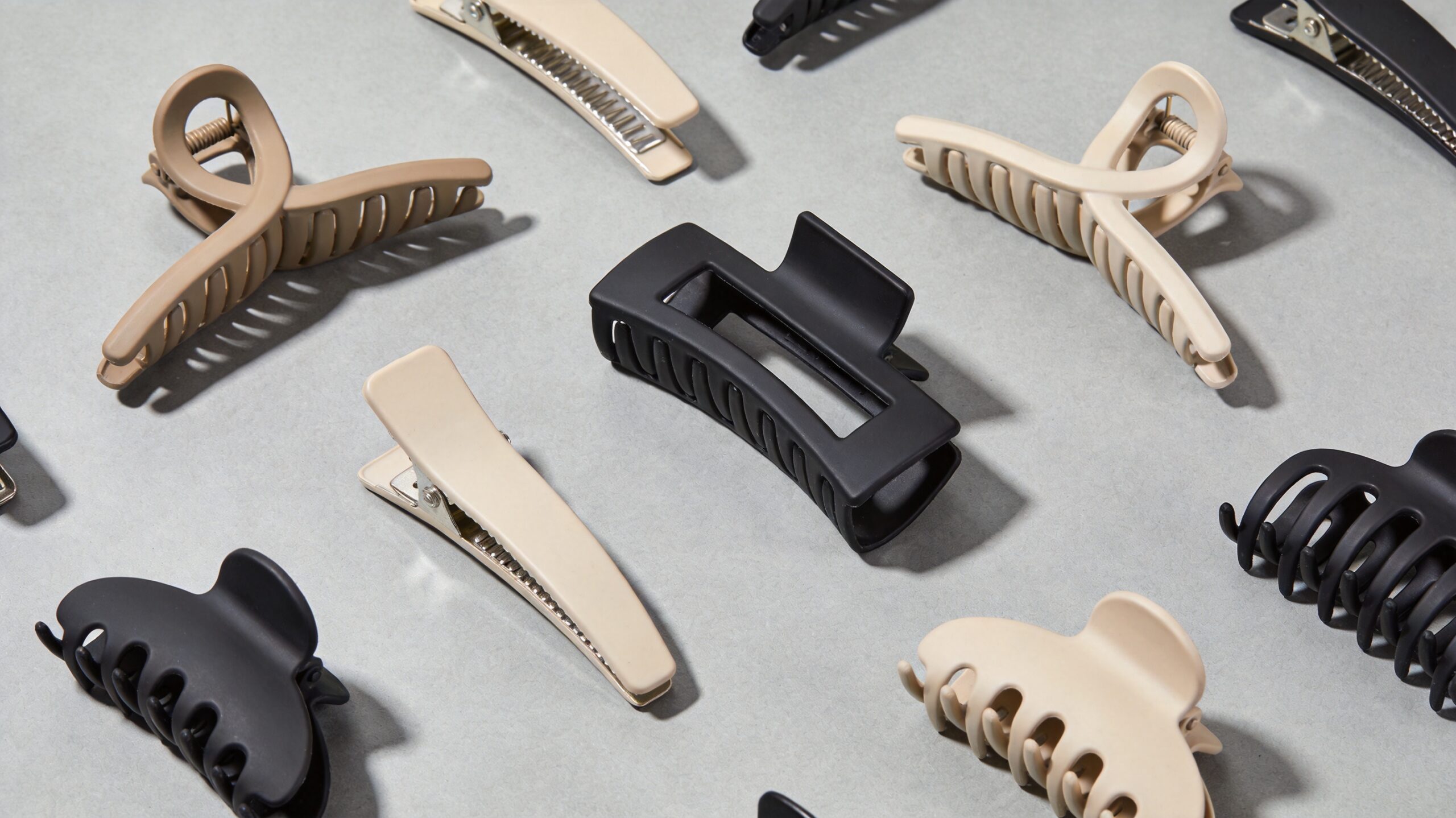
Professional-grade hair clips fall into four primary categories, each engineered for distinct tasks within the styling workflow.
Snap Clips: Precision and Sectioning
Snap clips feature a hinged jaw that closes with a firm “snap,” providing secure, flat hold against the scalp. Available in lengths from 1.5 to 4 inches, they are the go-to choice for precise sectioning during cutting, coloring, and precision styling. Their low profile minimizes bulk, making them ideal for detailed work on short hair or tight sections. For a reliable selection of snap clips for salon use, consider wholesale options that offer consistent quality across bulk orders.
Alligator Clips: Grip Strength for Wet or Dry Hair
Alligator clips offer elongated, serrated jaws that interlock for maximum grip strength. They excel at holding thick, heavy sections of wet hair during chemical treatments or blow-drying, where slippage would be catastrophic. The extended length also makes them suitable for securing multiple sections simultaneously, reducing the number of clips needed per service.
Duckbill Clips: Versatility for Textured Styling
Duckbill clips feature a wide, flat, curved jaw that resembles a duck’s beak. This design distributes pressure over a larger surface area, making them exceptionally gentle on textured, curly, or fine hair. Their versatility shines in diffusing, braiding, and creating soft waves, as they hold hair without flattening natural volume or leaving deep creases. Explore duckbill clip options for textured styling to see how they accommodate various hair types.
Claw Clips: Volume Hold and Quick Updos
Claw clips, including the popular shark claw clip, use interlocking teeth that grip hair from multiple angles. They are engineered for volume retention and rapid styling, making them indispensable for quick updos, half-up styles, and finishing touches. The open-back design allows hair to dry naturally while maintaining lift at the roots—a favorite for both stylists and retail clients seeking effortless, salon-quality results at home. Check out a premium shark claw clip design that combines elegance with functionality.
Snap Clips vs. Claw Clips: A Functional Comparison
Understanding the distinct strengths of snap clips and claw clips helps buyers curate a balanced inventory that serves both professional and consumer markets.
Hold Strength and Hair Type Compatibility
Snap clips provide rigid, point-specific hold, making them ideal for fine to medium hair that requires precise separation. However, their concentrated pressure can cause discomfort or creasing on thick, coarse, or curly hair. Claw clips, by contrast, offer distributed grip across multiple teeth, accommodating thicker textures and longer lengths with greater comfort. For clients with dense or voluminous hair, claw clips deliver superior security without the “pinch” associated with snap clips.
Ease of Use for Stylists vs. End Consumers
Stylists often prefer snap clips for their speed and precision during active services, as they can be inserted and removed with one hand. Claw clips, however, are more intuitive for end consumers who lack professional training. Their simple squeeze-and-release mechanism makes them accessible for daily use, driving strong retail sales in salons and beauty supply stores. Offering both types ensures you meet the needs of professionals seeking efficiency and consumers seeking convenience.
Material and Construction Specifications for Durability
The longevity and performance of hair clips for styling depend heavily on material quality and construction standards.
Metal vs. Acetate vs. Plastic: Pros and Cons
- Metal clips (typically stainless steel or nickel-plated) offer unmatched strength and heat resistance, making them suitable for thermal styling. However, they can be heavy and may corrode if not properly coated.
- Acetate clips are biodegradable, lightweight, and available in premium finishes. They resist heat better than standard plastic but are more expensive and can be brittle under extreme stress.
- Plastic clips (polycarbonate or nylon) provide affordability and flexibility. High-grade plastics offer good durability, but lower-quality variants may crack or lose spring tension quickly under daily professional use.
Spring Tension and Coating Quality
Uniform spring tension is critical—clips that are too tight cause discomfort and hair damage, while loose springs fail to hold sections securely. Professional-grade clips undergo rigorous tension testing to ensure consistency. Additionally, smooth, chip-resistant coatings prevent snagging and extend the clip’s usable life, even with repeated exposure to chemical treatments and sanitizing agents.
Size and Weight Variations Across Clip Types
Clip sizes range from micro (1 inch) for precision detailing to jumbo (5+ inches) for voluminous hair. Weight matters for prolonged wear; lightweight materials reduce fatigue for both stylists and clients. Wholesale buyers should stock a range of sizes to accommodate diverse hair lengths and densities, ensuring no client is left without a suitable option.
Matching Hair Clip Types to Styling Use Cases
Different services demand different clip functionalities. Here is how to match clip types to common styling scenarios.
Sectioning, Blow-Drying, and Cutting Applications
For cutting and coloring, snap clips and alligator clips are the industry standard. Their secure hold allows clean, even sections that stay put through combing and product application. During blow-drying, duckbill clips are preferred for their gentle hold that preserves natural movement, while alligator clips secure larger sections for efficient drying.
Finishing Looks: From Sleek Buns to Beach Waves
Claw clips excel in finishing applications. A shark claw clip creates a polished, voluminous bun in seconds, while smaller claw clips can pin back face-framing pieces for a soft, romantic wave. For sleek, polished styles, smooth-edged snap clips can secure hair without disrupting the final silhouette.
Specialty Clips for Extensions and Wigs
Extensions and wig application require specialized clips with extra-strong springs and non-slip surfaces to prevent slippage under tension. Flat-backed clips are commonly used for weft attachment, while mini claw clips help secure lace fronts. Wholesale buyers serving extension specialists should prioritize these niche products to capture a dedicated, high-value customer segment.
Sourcing and Wholesale Considerations for Hair Clips
Smart sourcing strategies ensure profitability and client satisfaction for B2B buyers.
Minimum Order Quantities and Packaging Options
Manufacturers typically require minimum order quantities (MOQs) ranging from 500 to 5,000 units per style. Consider your inventory turnover and storage capacity when negotiating MOQs. Packaging options include bulk polybags for salon use, individual blister packs for retail display, and custom branding for private-label programs. Retail-ready packaging can significantly boost margins.
Quality Control Checks for Bulk Orders
Before committing to a large order, request samples and conduct stress tests: open and close each clip 100 times to assess spring durability, check for sharp edges or rough seams, and verify color consistency across batches. Establish clear return policies with suppliers for defective units, and ask for third-party quality certifications where available. For a deeper understanding of manufacturing standards, consult this industry reference on clip materials.
Trend Forecasting for Clip Styles and Finishes
Stay ahead of consumer demand by monitoring fashion trends. Matte finishes, tortoiseshell patterns, and pearlized accents are currently popular in the retail market. For professional use, classic black and neutral tones remain timeless. Balancing trend-forward options with evergreen staples ensures your inventory appeals to both stylists and fashion-conscious consumers.
Frequently Asked Questions About Hair Clips for Styling
What Is the Best Clip for Thick or Curly Hair?
For thick or curly hair, duckbill clips and claw clips are the top choices. Duckbill clips distribute pressure gently across wide sections, preventing breakage and preserving curl pattern. Claw clips provide strong, comfortable hold for voluminous updos without crushing natural texture. Avoid small snap clips, which can cause discomfort and creasing on dense hair.
How Do I Prevent Hair Creases and Breakage?
To prevent creases, choose clips with smooth, rounded edges and avoid leaving them in place for extended periods. Alternate clip positions throughout a service, and use clips with wider jaws for thicker sections. For breakage prevention, never pull clips out of tangled hair—always unclip and gently remove. Opt for clips with coated or padded jaws to minimize friction on delicate strands.
Can Claw Clips Be Used for Heat Styling?
Standard plastic claw clips should not be exposed to direct heat from curling irons or flat irons, as they can warp or melt. However, they are safe for use during blow-drying, as long as the heat source is not directly applied to the clip. For heat-intensive styling, use metal or heat-resistant acetate clips specifically designed for thermal tools. Always allow clips to cool before handling. For additional technical insights on clip materials, refer to this technical reference on hair accessory construction.
Selecting the right types of hair clips for styling is a strategic decision that affects service quality, client satisfaction, and retail profitability. By understanding the functional differences between snap clips, alligator clips, duckbill clips, and claw clips—and considering material quality, construction standards, and market trends—salons and wholesale buyers can build an inventory that meets every styling need. Whether you are equipping a professional station or stocking a retail shelf, the right clips transform everyday styling into an effortless, polished experience.