The Rise of Eco-Friendly Hair Clips: Why Your Business Should Consider Wholesale Eco-Friendly Hair Clips and Accessories
1. Introduction to Eco-Friendly Hair Clips
In recent years, the beauty and personal care industry has undergone a remarkable transformation, with a notable shift towards sustainability. Eco-friendly hair clips have emerged as a favored choice among consumers, reflecting a broader trend towards greener products. These hair clips are crafted from sustainable materials that significantly reduce environmental impact, aligning perfectly with the rising consumer preference for eco-conscious purchasing. It’s clear that businesses offering eco-friendly hair accessories are not just keeping up with trends; they are positioning themselves to gain a competitive advantage. The significance of sustainability in hair accessories is profound, as it embodies a commitment to responsible sourcing and environmental stewardship, resonating deeply with today’s eco-aware shoppers.
2. Specifications of Eco-Friendly Hair Clips
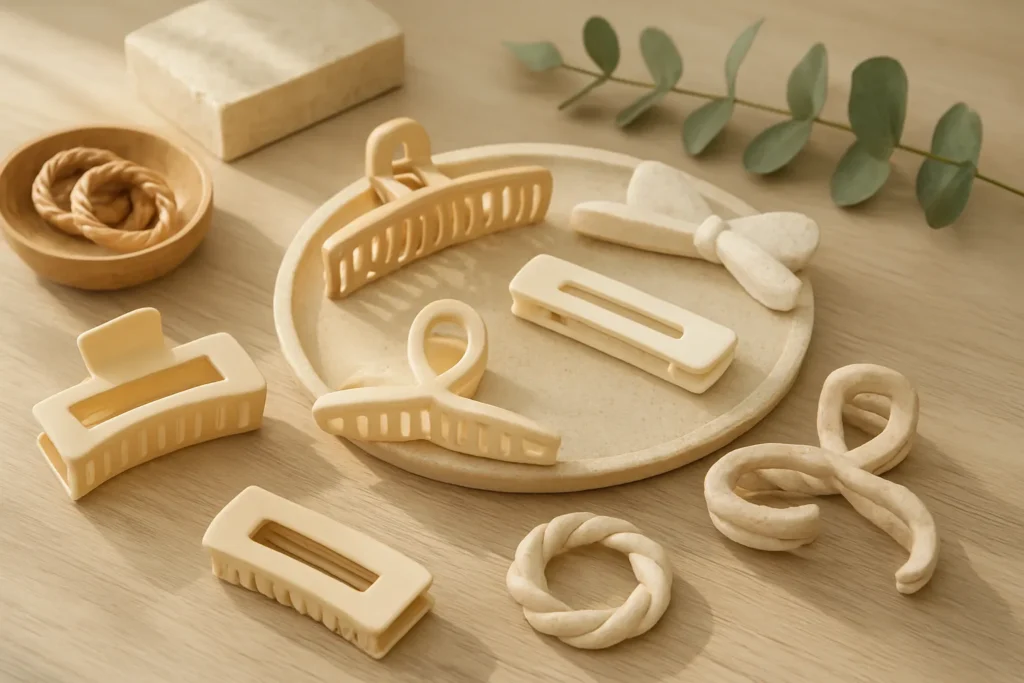
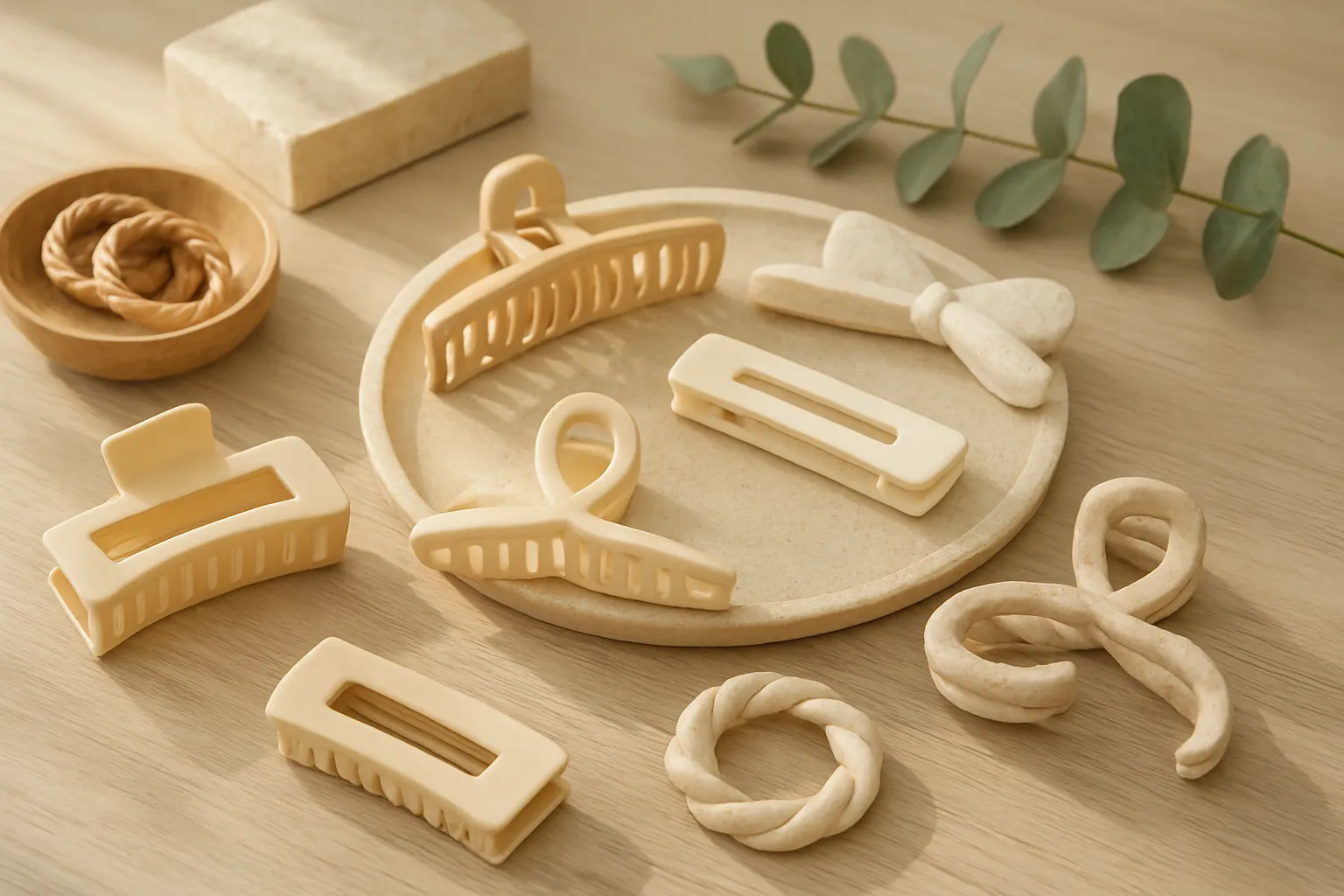
Eco-friendly hair clips are typically made from innovative materials such as bamboo, recycled plastics, and biodegradable substances. By utilizing these materials, manufacturers not only minimize waste but also ensure that the clips are safe for users and the planet. From my experience, the durability and performance of these eco-friendly options often rival, if not surpass, those of traditional clips. Many eco-friendly designs are engineered to endure daily wear and tear, ensuring reliable performance while maintaining an appealing aesthetic. This blend of sustainable materials and robust durability makes them an enticing choice for consumers who seek both functionality and environmental responsibility.
3. Use Cases for Eco-Friendly Hair Clips
The retail potential for eco-friendly hair clips is expansive. As more consumers gravitate towards sustainable options, retailers have the opportunity to tap into this growing market by offering a diverse range of eco-friendly hair accessories. The target demographics are varied, encompassing environmentally conscious individuals, parents who prioritize safety for their children, and fashion enthusiasts who value stylish yet sustainable products. By thoughtfully curating a selection of eco-friendly hair clips, businesses can attract a wide array of customers while supporting a sustainable lifestyle.
4. Comparing Eco-Friendly Hair Clips to Traditional Options
When we compare eco-friendly hair clips to traditional alternatives, the environmental impact emerges as a crucial differentiator. Traditional clips often rely on non-biodegradable plastics that contribute significantly to landfill waste. In contrast, eco-friendly hair clips are specifically designed to minimize environmental harm, making them a preferable choice for eco-conscious consumers. Additionally, I’ve noticed a shift in consumer preferences towards products that align with personal values, including sustainability and ethical sourcing. Businesses that embrace eco-friendly hair accessories not only fulfill consumer demand but also position themselves as pioneers in the sustainable product movement.
5. Sourcing Eco-Friendly Hair Accessories
For businesses looking to expand their product offerings, sourcing reliable suppliers of eco-friendly hair accessories is essential. Conducting thorough research and vetting potential suppliers is crucial to ensure adherence to sustainable practices and high-quality products. Evaluating product certifications from recognized environmental organizations can provide valuable insights into the sustainability claims of suppliers. Establishing partnerships with reputable suppliers allows businesses to confidently offer eco-friendly hair clips that meet consumer expectations and contribute to a greener future.
6. Implementation Strategies for Businesses
Effectively marketing eco-friendly products is vital for attracting customers and driving sales. Businesses should emphasize the benefits of eco-friendly hair clips, such as their sustainability and unique features, in marketing campaigns. Leveraging social media platforms and influencer collaborations can amplify the message and reach a wider audience. Moreover, educating staff and customers about the importance of sustainability in hair accessories fosters a deeper connection to the products. Training employees to communicate the value of eco-friendly options enhances customer experiences and promotes informed purchasing decisions.
7. Frequently Asked Questions
What Makes Hair Clips Eco-Friendly?
Eco-friendly hair clips are crafted from sustainable materials that are either biodegradable or recycled, significantly reducing their environmental footprint. They are designed to be safe for both users and the planet, often produced with minimal waste and energy consumption.
How to Transition to Eco-Friendly Products?
Transitioning to eco-friendly products involves researching and sourcing sustainable options, educating staff and customers about the benefits, and gradually phasing out traditional products. Businesses can start by introducing a select range of eco-friendly hair clips and expanding the offerings as consumer demand increases.
Conclusion
The rise of eco-friendly hair clips presents a significant opportunity for businesses within the beauty and personal care sector. By embracing wholesale eco-friendly hair clips and accessories that prioritize sustainability, companies can meet the growing consumer demand for eco-friendly products and contribute to a more sustainable future. As the market for eco-friendly options continues to grow, businesses that adapt and innovate will be well-positioned to thrive in this evolving landscape. For further insights into the benefits of eco-friendly hair clips, you can refer to this industry reference from AZoM.