Hair Clip RFQs: Map the Spring Material Record
For a hair-clip spring material RFQ, first ask the manufacturer to identify the components of the actual offered clip. If it identifies a spring, request the material declaration or specification reference for that component, with the applicable model, version and sample-to-quotation relationship. A category image does not establish a spring type, metal grade or common component across different clips.
A broad material description for a hair accessory may leave the scope of individual components unclear. A component-specific supplier response lets purchasing retain the actual manufacturer statement and understand which part it covers. The useful inquiry identifies the offered clip and asks for the applicable record rather than selecting a spring material from appearance or from general product advice.
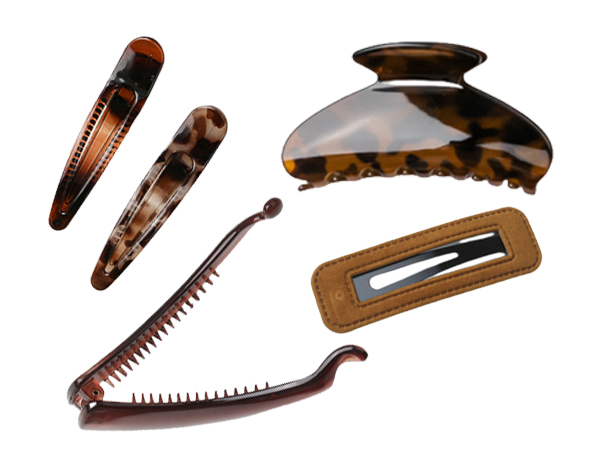
Separate homepage reference showing different clip forms. It is not a confirmed supplied assortment, shared spring, common material or one model family.
Identify the actual clip before requesting the record
Start with the supplier model reference used in the quotation. Ask which actual clip and version the appearance reference represents. If the manufacturer proposes another model, retain that identity separately so that any component response is not silently assigned to the original catalogue image.
The official homepage arrangement above shows several different brown-toned clip forms. It provides category context for the inquiry, without establishing that those forms share a component or material. Ask the manufacturer to identify the actual offered clip and which components it includes in its description.
Ask the manufacturer to identify any spring component
Where the manufacturer identifies a spring in the offered clip, request its component reference or identifying description. Keep that reference attached to the clip model and version. If the supplier response describes another arrangement, retain its actual terminology instead of assigning a spring type or construction from the photograph.
Make the document question specific to the identified component. If the supplier does not identify a spring for the proposal, record the question as not applicable or awaiting its clarification, according to the actual response. The goal is a clear component-scope record, rather than a declaration inferred from a general hair-clip label.
Buying field
Requested supplier response
Clip identity
Actual manufacturer model and offered version.
Component identity
Supplier identification of a spring component, where applicable.
Material statement
Manufacturer wording associated with that specific part.
Record identity
Applicable declaration or specification identifier and revision.
Scope boundaries
Other components covered separately or not addressed by the statement.
Sample relationship
Identified sample and the version it represents.
Quotation relationship
Commercial line associated with the confirmed component record.
Homepage category illustration. The worn appearance does not establish the supplied model, jaw geometry, grip, hair-type suitability, material or performance.
Request the applicable material statement
Ask for the manufacturer material declaration or specification reference for the identified spring component. Retain the document identifier and revision, or the actual supplier reference if the response is provided in another form. Request the part and product versions to which the statement applies.
The worn pale claw-clip image above is a separate category reference. Its appearance does not establish the spring arrangement or material of the quoted clip. Keep any declaration associated with the manufacturer actual component identity rather than transferring a statement between clip forms that appear in the same catalogue.
Keep the declaration scope distinct from the whole clip
Ask the supplier to separate the spring material statement from descriptions of the clip body or other parts. If one document covers several components, request a clear mapping between the listed components and their declarations. Keep an unaddressed part as an identified question instead of extending a statement beyond its stated scope.
A material name does not independently establish coating, corrosion resistance, durability or another performance result. Similarly, a component reference does not establish that spare parts are offered or that parts from different clip models are compatible. Keep any additional supplier proposal separate from the component-material record.
Actual official product-card image. Printed TCB-3018 and colour appearances require supplier offer association; they do not establish a four-piece pack, available variants, material grade or measurements from the ruler.
Connect the supplier response to the sample
Request the identifier of any sample associated with the material response and ask which clip version it represents. Retain that sample reference beside the manufacturer component description and declaration. If the sample represents a different proposal, request a clear supplier explanation before relying on the documents together.
The product-card graphic above is marked TCB-3018 and shows colour appearances. It is a separate model reference from the general clip arrangement in the opening image. The printed code and ruler do not establish the material or dimensions of an internal component, or show that different pictured models share a spring.
Retain the confirmed component record
Before accepting the proposal, compare the clip identity, component reference and material-record revision across the supplier response and quotation. Keep the manufacturer confirmed scope and any outstanding question visible. If the supplier changes a component proposal, request its applicable record instead of assuming the earlier declaration still applies.
For a repeat order, refer to the earlier confirmed component and ask whether the same material record covers the current offered version. This provides purchasing with a useful supplier reference without inventing metal grade, component quantity or performance. The inquiry remains a commercial document request and does not require tension testing, repair or product-operation instructions.
Buyer FAQ
Can a spring material be identified from a clip photograph?
Request the manufacturer component identification and actual material statement instead.
Does a whole-clip material name cover an identified spring?
Ask which components the supplier statement actually covers.
What if the supplier uses a different component description?
Retain its actual terminology and request the applicable material record for the proposed item.
What should be retained when the component proposal changes?
Keep the revised part reference, applicable declaration and sample-to-quotation relationship.
Refer to the official hair-clip category and product-card references, keep selected catalogue items under their actual manufacturer identities and request the applicable records through the supplier contact page.
Identify the actual offered clip and component scope.
Request the applicable manufacturer material record where a spring is identified.
Retain the confirmed record with the sample and quotation.
hair clip spring material declaration scopeB2B supplier sample record